
The problem
Valuable information is often stored in different formats and repositories. In long-term projects, finding and using that information can become complicated: people spend too much time searching, they have to remember different formats and locations, and sometimes they have to deal with content created by someone who is no longer available to clarify doubts or provide context.
Although content searches have been around for years, previous technology only allowed information to be found as it had been left. To retrieve a piece of data, each person searching for it must:
- Have basic knowledge of search techniques.
- Know which terms to use (author, keywords, etc.).
- Interrupt their workflow to change context before they can move forward.
- Deal with outdated repositories, unintuitive navigation structures, and unfamiliar formats.
The solution
Atlassian’s new artificial intelligence (AI) tools incorporate natural language processing at key points, reducing the effort required to access information.
There are two levels of AI in Atlassian:
- Atlassian Intelligence: an additional service integrated into Jira, Confluence, and other Atlassian products.
- Rovo: a standalone product based on Atlassian AI that allows you to work with external repositories (SharePoint, Google Drive, etc.).
The application of one or both solutions offers progressive benefits.
Improvement with Atlassian AI
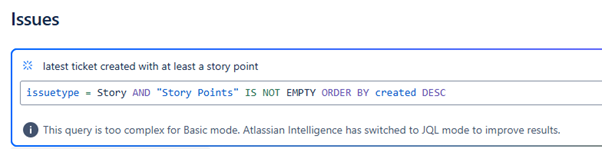
By incorporating Atlassian AI into Premium and Enterprise licences, several traditional features have been optimised, especially those where natural language processing adds value.
Among the improvements is the update to the search system in Jira and Confluence.
Jira
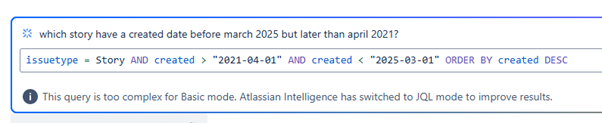
In Jira, it is now possible to use ‘AI Queries’ directly in the search bar and enter requests in natural language. Although it does not replace a JQL expert, it does cover many of the most common queries efficiently.

Confluence
In Confluence, the power of responses is significantly improved:
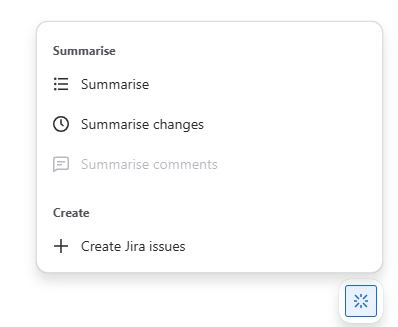
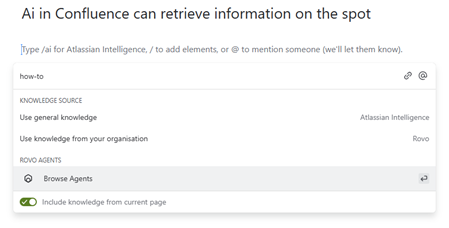
An AI button in each editor allows you to retrieve and manipulate information in real time while you work on your document.
In Jira Service Management (JSM) support portals, AI extracts data from the knowledge base in Confluence and generates responses for customers.
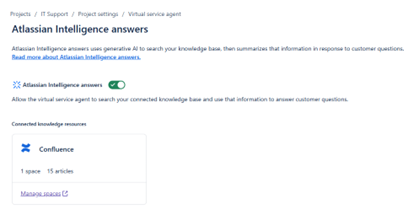
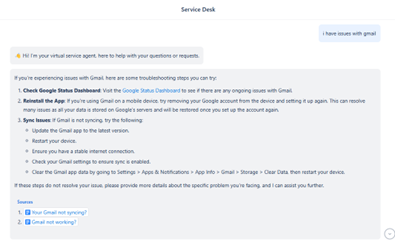
Since queries on support portals are often one of the most time-consuming tasks, this optimisation can translate into significant savings.
The big leap with Rovo
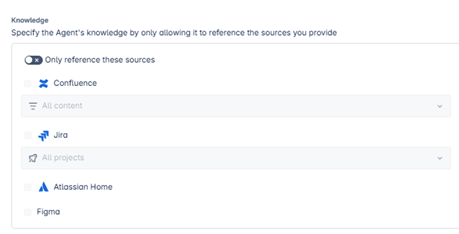
Rovo is a separately licensed product that runs on Atlassian Intelligence and adds advanced knowledge search capabilities:
- Connects to Jira and Confluence sources, breaking down their content into units of information.
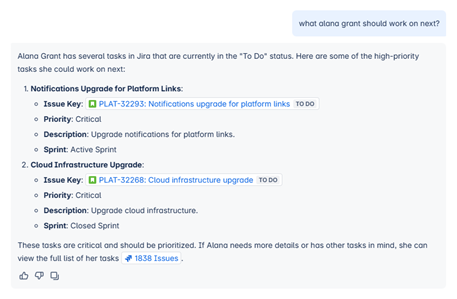
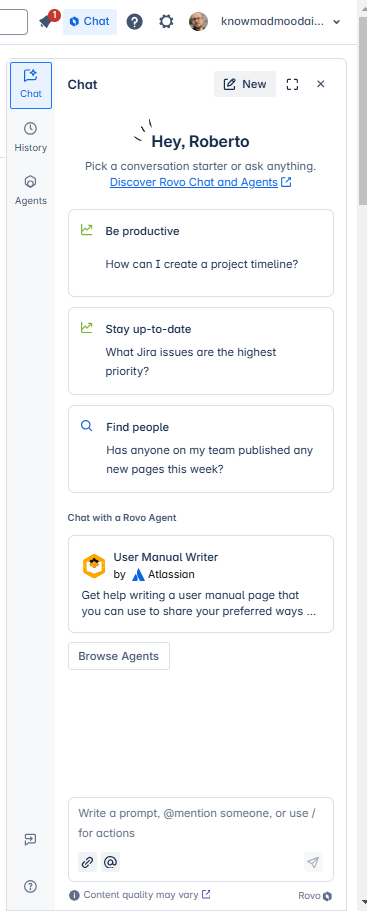
- Interacts with users in a conversational format.
- Reorganises and restructures information.
- Integrates with external repositories to expand the scope of searches, including: Google Drive, SharePoint, Slack, GitHub, Microsoft Teams, Dropbox, Notion, Box, Asana, Outlook Mail, Smartsheet, and custom web pages.
These features amplify the impact on knowledge management.
Rovo’s ability to access multiple repositories represents a paradigm shift in collaborative work, allowing information silos between departments to be eliminated. This facilitates more integrated communication and fosters a culture of transparency and cooperation, improving productivity and stimulating innovation.
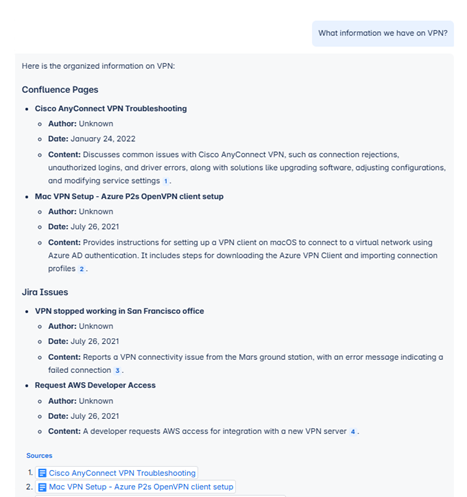
In addition, Rovo’s conversational format simplifies interaction, accelerating decision-making and reducing cognitive load. While it may seem like a minor detail, saving a few minutes on each query can translate into hours or days of optimised work, improving the overall efficiency of the team.
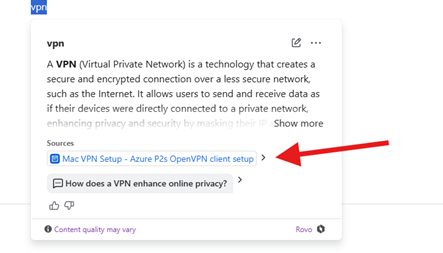
Another notable feature is ‘bubble’, which facilitates the quick location of information and encourages the reuse of valuable data. This prevents knowledge loss and allows teams to build on what already exists rather than starting from scratch.
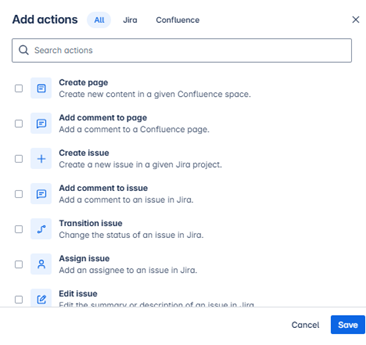
Finally, Rovo lays the groundwork for future improvements within the organisation, such as the possible introduction of AI-based intelligent agents. Its impact goes beyond immediate operational improvement, positioning itself as a driver of transformation in knowledge management and collaboration.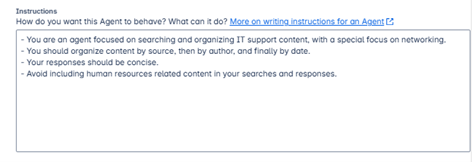
Benefits
The incorporation of natural language processing into knowledge management helps reduce costs at every point of interaction. This not only streamlines processes, but also increases efficiency in various tasks. In addition, AI allows value to be recovered from old repositories, which is key in long-term projects and programmes.
Another key benefit is its ability to mitigate problems arising from talent turnover and diversity of storage formats. AI makes it easier to locate data scattered across different systems, promoting more integrated information management. This is especially useful for breaking down barriers between departments such as IT and business, which have traditionally used different tools and methodologies.
Integrating AI into knowledge workflows not only solves these challenges, but also frees up valuable resources within teams. This fosters a culture of collaboration and knowledge sharing, which in turn drives innovation and efficiency.
It’s not magic: What it takes to succeed
Atlassian’s new tools streamline many tasks, but they don’t eliminate certain fundamental requirements for success.
To realise their potential, it is essential to take action in two key areas: data access management and content generation.
Data access
One of the main obstacles to adopting AI is not cost, but access to information. For the system to work, it needs to process searchable data. For the results to be useful, access must be broad and well defined. Excessive security restrictions can hinder adoption of the tool.
Atlassian provides detailed information on how it accesses and processes data, balancing accessibility with privacy and security. In addition, at knowmad mood, as one of Atlassian’s main partners, we can help you implement the solution appropriately.
That said, the philosophy of the Atlassian platform remains ‘open access and team collaboration’. Before adopting the tool, it is advisable to assess whether the organisation’s work culture is aligned with this approach, as it can be a determining factor for success or resistance to change.
Content creation
Although Atlassian AI facilitates content generation, valuable knowledge still depends on the people who create it. AI optimises access to information, but it cannot generate impactful data on its own.
To maximise the value of these tools, it is essential to invest time in documenting procedures, outlines, ideas, and processes that improve collaboration and teamwork.
If you are interested in this solution and would like to learn more about Atlassian AI, contact us and we will help you optimise knowledge management in your organisation.